As soybean harvest progresses across North Carolina, some producers may notice unusual discoloration on the seed coats of their harvested soybeans. Similar reports have emerged across several soybean producing states in 2026, raising questions about grain quality, marketing, and potential discounts at delivery. One issue receiving increased attention is Soybeans of Other Colors (SBOC). Although this discoloration does not necessarily indicate poor grain quality, it can affect how soybeans are classified and marketed.This post will explain why it happens, when it might impact soybean price and recommendations for producers when selling SBOC. Here is a video option of this content on YouTube
Why Are My Soybeans Discolored?
(Updated: Nov. 5, 2026, 3:17 p.m.)
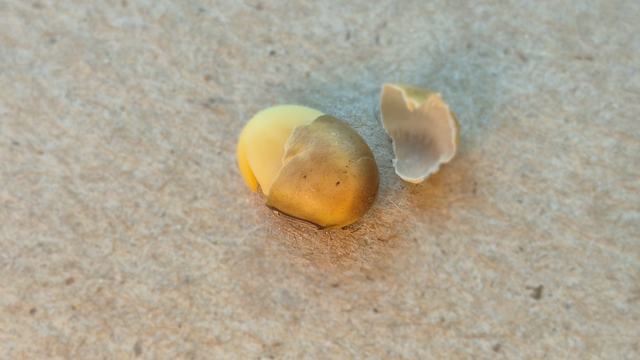
What is SBOC?
Soybeans of Other Colors (SBOC) is a superficial discoloration of the seed coat with a brown, grey or green color (not purple). It does not affect the quality of the seed, oil or protein, only the seed coat.
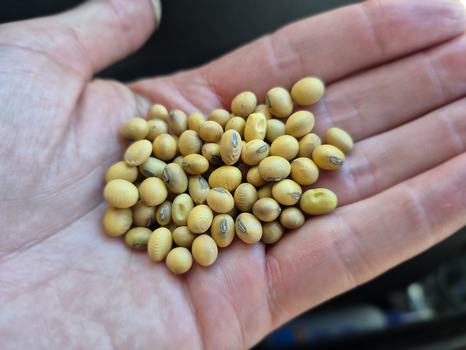
Soybeans with discolored seed coats (SBOC)
Why does this happen?
SBOC is linked to seed genetics combined with environmental conditions during the growing season: hot, dry weather early on, followed by wet weather during grain fill and maturation. Some, but not all, SBOC appears to be linked to Enlist E3® traited soybeans. SBOC does not occur every year with every Enlist E3® variety. Rather the seed coat of some soybeans can become discolored under unfavorable environmental conditions. It is not caused by any kind of heat or disease damage to the seed.
When can it be a problem?
Since SBOC is strictly superficial, it is primarily a concern when the grain enters the human food market. This discoloration of the seed coat can lead to discoloration of the final food product, such as tofu.
In 2023, USDA updated their soybean grading standards to more accurately reflect grain quality regarding SBOC. This change significantly reduced the negative financial impact of SBOC presence on US soybean producers.
As of 2023:
- SBOC is no longer its own special grade the way Purple Seed Stain (PSS) is
- SBOC less than 10% is not a grade-determining factor for No. 1 or 2 yellow soybeans
- SBOC higher than 10% is graded as “mixed soybeans”
These only apply to USDA grading standards. Standards of international buyers or other consumers may have more stringent specifications.
What can producers do?
Due to the many varied uses of soybeans worldwide, a producer may not easily know when SBOC can be a concern or can lead to receiving a reduced price for their grain. This is why we recommend contacting your buyer directly before hauling any SBOC to check on their discount schedule and quality requirements ahead of time.
The American Soybean Association reminds producers that if an elevator operates under a private contract that contains more stringent quality standards than your crop meets, you may consider selling your crop for domestic soybean crush instead. Ultimately, SBOC does not affect the overall oil or protein functionality of the bean.